DreamLabs
DreamLabs
DreamLabs
[Bubble export]
For founders on Bubble who want to know exactly what they can take before they plan a move. Your data, files and user records come out; runnable code doesn't, so the logic is rebuilt. Depending on the app, DreamLabs moves Bubble apps to React and Next.js on Firebase or Supabase, or to a TypeScript API over PostgreSQL, starting with a $4,000 two-week strategy sprint that maps every workflow; most builds take about 6 weeks after it.
Start with a strategy sprint[Before you plan]
| What | Can you export it? | How, and the catch |
|---|---|---|
| Application code | No | Bubble apps run only on Bubble, so the logic is rebuilt. Bubble's manual says it can help export the design. |
| App definition: pages, workflows, settings | Yes, as JSON | The Settings tab's Export application option, on Growth and up. It imports into another Bubble app, not into code; Bubble support also offers a JSON dump of logic and design if you leave. |
| Database records | Yes | Data > App data > Export on paid plans, to CSV, JSON or NDJSON, one view at a time; Bubble emails a download link. No privacy rules apply, and exports use workload units. |
| Records through the Data API | Yes | Off by default and enabled per data type. Pages of 100 records by default, and a GET request can't reach past item 50,000 (10,000,000 on Enterprise). |
| Files and images | Yes, by URL | File and image fields store a URL, so each file is downloaded separately. Development and Live keep separate file storage. |
| User accounts | Yes, except passwords | Emails and profile fields export. Passwords are salted one-way hashes, invisible even to you, so each user sets a new one once. |
| Plugins | Partly | MIT-licensed plugins' code can be copied; private-license plugins aren't open source. Rebuild each integration on the service's own SDK. |
| Workflows and backend workflows | As a definition, not as code | They're in the app JSON and the editor. Each becomes tested server code in the rebuild. |
| Native mobile app | No | Bubble builds it with React Native and publishes under your developer accounts; the rebuild can ship to the same listings where the bundle ID and signing setup allow. |
[The short answer]
Can you export code from Bubble? No. Bubble's manual says its apps "can only be run on the Bubble platform" and that moving off means rebuilding the application logic. Bubble keeps ownership of the code that powers your app; you own your app's design and your data.
You can still take a lot. Every record comes out as CSV, JSON or NDJSON, or through the Data API. File fields give you the URL of every uploaded file. User records come out with everything but passwords. And on Growth and up, the Settings tab lets you export the whole app definition, its pages, workflows and settings, as a JSON file. That file runs only inside Bubble, but it is a complete, machine-readable record of what your app does, which makes it a strong starting spec for a rebuild.
We've made moves like this ourselves. We used to build apps in FlutterFlow and have exported most of the apps we started there, and we left Webflow for faster development, more design control and better integration, moving our own site in August 2026.
If your workload sits comfortably inside your plan, your team ships changes quickly in the editor and nobody is asking for source code, stay. Bubble's native mobile builder shares one project and database with your web app, and its manual commits to releasing Bubble's source code under an open-source license if the platform is ever discontinued, so your app could still run on a self-hosted server. Move when a specific goal needs code you own: an investor's or customer's security review, an engineering hire, or a feature or cost curve the platform can't meet. If you're not there yet, we'll say so.
Bubble details on this page were checked against Bubble's manual, support center and pricing page on October 8, 2026.
[How teams move off]
[01]
Two weeks, flat $4,000, refunded in full if we don't move forward together. We start from your app JSON and data model and map every page, data type, workflow, privacy rule, plugin and API call into a features table. We flag logic you no longer need, wireframe what should change, and scope the first release we quote the build from.
[02]
We rebuild the web app in React and Next.js, on Firebase or Supabase or on a TypeScript API over PostgreSQL, whichever fits your app, in your own accounts. Privacy rules become access rules, such as Firestore security rules or Postgres row-level security, and workflows become tested server code. AI speeds up the screen-by-screen work; engineers own the architecture and review every line.
[03]
Your Bubble app stays live while a scripted Data API export syncs Live data across, and every workflow is tested against real records. Where a staged move helps, Bubble's SQL Database Connector can query a new Postgres database, or the new app can trigger Bubble's API workflows through the Workflow API, so both run side by side.
[04]
A final sync runs in a low-traffic window, your domain points at the new app, and returning users set a new password once. You get the repository, infrastructure in your own accounts and documentation, and you cancel the Bubble plan when you're ready.
[Where you land]
Depending on the app, the web app is rebuilt in React and Next.js on Firebase or Supabase, or on a TypeScript API over PostgreSQL. On Postgres, including the full Postgres database every Supabase project gets, your Bubble data types become real tables with relationships, indexes and access rules you can read. It is mainstream code any React developer can work on, hosted in accounts you control. If you also want iOS and Android apps, we build mostly in Flutter, and in Swift when native iOS is the right call.
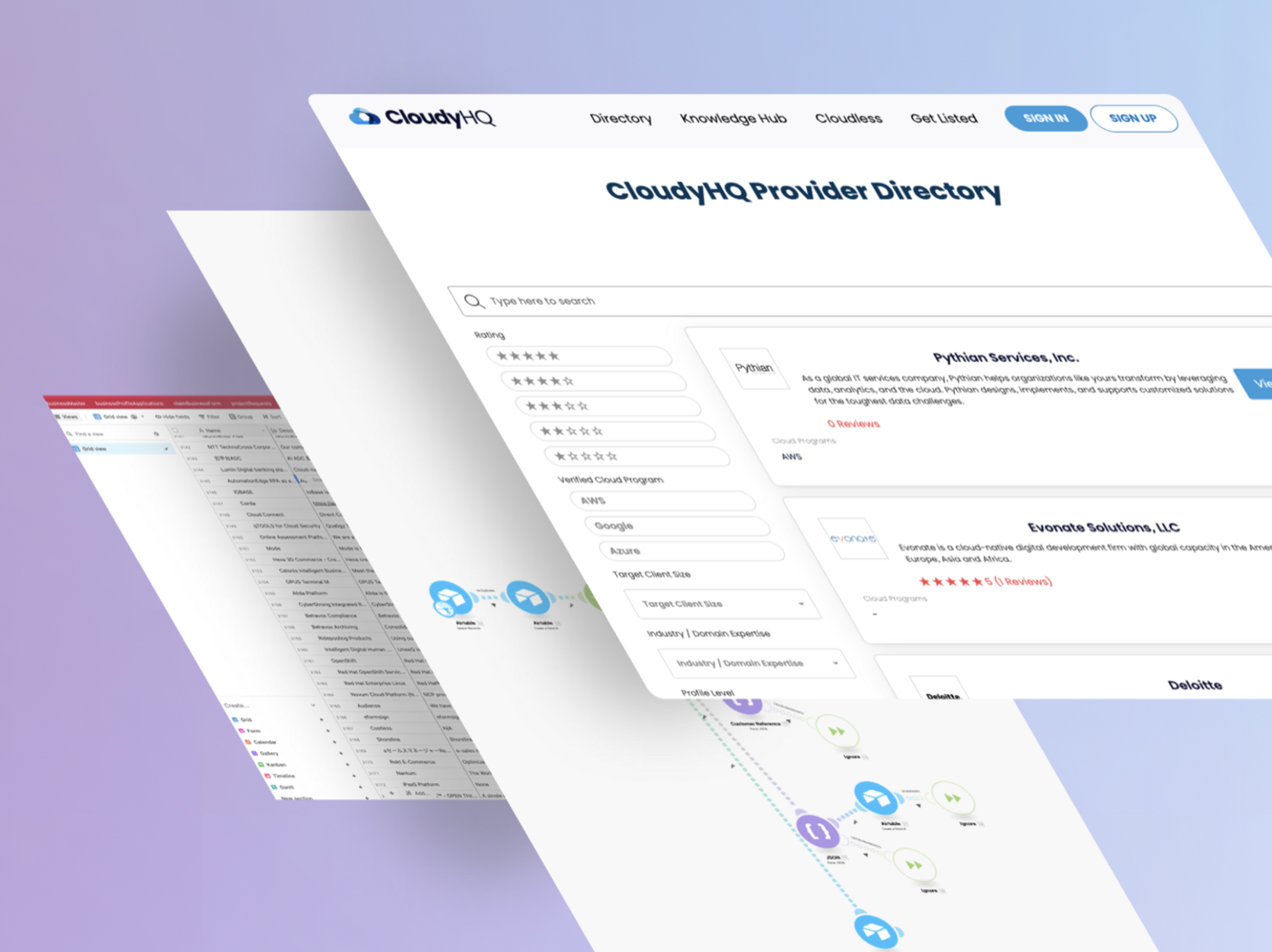
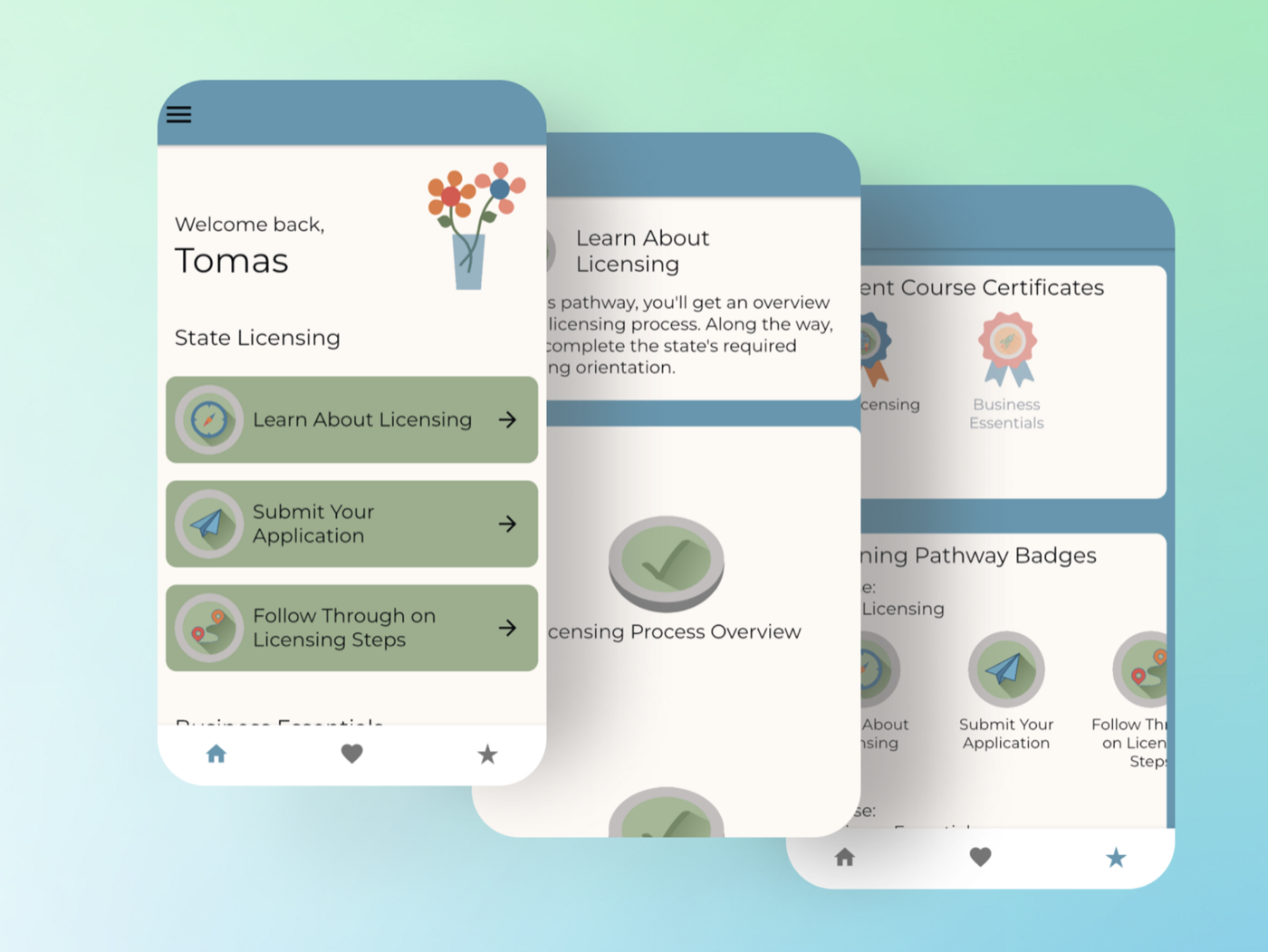
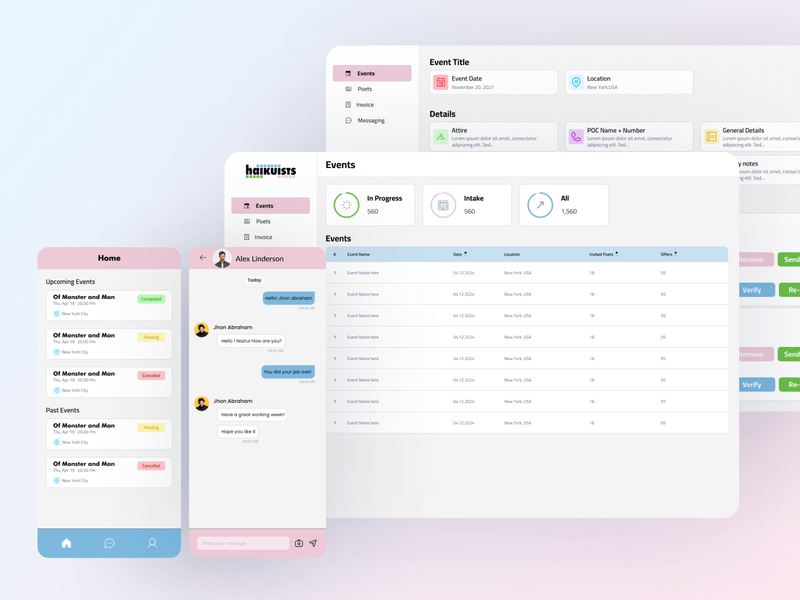
The work behind a Bubble move is data work first. For CloudyHQ, we cleaned and combined a 5,000+ record data scrape from separate sources into a searchable directory, with the cleanup designed into the architecture instead of left for the end. Nurture's team runs its cohorts from a React admin web app beside a Flutter and Firebase mobile app. Haikuists' admins bring event records from HubSpot into Firebase through an automation and run events, poets, invoices and messages from a desktop web app.
Ready to plan the whole move? Our Bubble migration guide covers it end to end.
[Platform guides]
[Exports and stacks]
Built it with Lovable, Bolt, v0, or Replit instead? See AI prototype to production →
[FAQs]
No. Bubble's manual says its apps can only run on the Bubble platform and that there's no way to export an app as code, so moving off means rebuilding the logic. You can export your data, your files, your user records without passwords, and, on Growth and up, a JSON file of your pages, workflows and settings that imports only into Bubble but documents everything the app does.
For a one-off copy, go to Data > App data, set up a view for each data type and export it as CSV, JSON or NDJSON; Bubble emails a download link. For a migration, script it: enable the Data API for each data type, authenticate with an admin API token from a server, page through every type with cursor and limit, and download the files their URL fields point to. Export from Live, since Development has its own database.
It returns 100 records per page by default, and a GET request can't reach past item 50,000 (10,000,000 on Enterprise), so large types need to be split, for example by Created Date. The Data and Workflow APIs accept 15,000 requests a minute on Starter, 25,000 on Growth and 35,000 on Team, and each record returned uses 0.015 workload units.
No. Bubble stores passwords as salted one-way hashes, and its manual says the password field is invisible even to you as the developer. Accounts, emails and profiles move; each returning user sets a new password once through a reset link or a magic-link sign-in.
Workflows are rebuilt as tested server code, using the app JSON and the live app as the spec. Plugins are rebuilt on each service's own SDK, such as Stripe's. If a plugin was published under the MIT license, its code can be copied and read; private-license plugins aren't open source, so plan to rebuild what they do.
It gives you a complete definition of your app, not a runnable one. Bubble's settings let you export the full app configuration, including pages, workflows and settings, on Growth and up, and import it into another Bubble app. Outside Bubble it's a spec, which is still valuable: it lists every workflow the rebuild has to match.
Every move starts with a two-week strategy sprint for a flat $4,000, refunded in full if we don't move forward together. The sprint maps every workflow and scopes your first release, and the build price is set and approved at the end of the sprint. That's what you pay.
[Interested?]