DreamLabs
[Who we are]
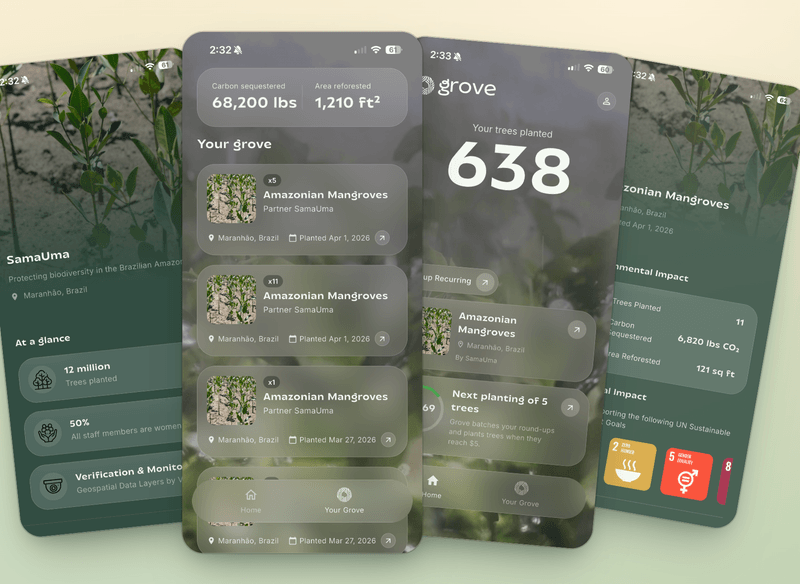
Launch one app on iOS, Android and the web: DreamLabs designs and builds it in Flutter for founders and teams, and you own every line of code. It starts with a two-week, $4,000 strategy sprint, and most builds ship about 6 weeks later. Our own Flutter app, Grove, went from idea to both app stores in six weeks.
★★★★★
“They delivered on time every single time. They talked us through various options for each request and helped us to understand our problems more intimately. Their forcing us to translate our needs into "app-speak" gave us further clarity on what we were trying to accomplish.”
As a fractional product team, we start by defining your vision and sharpening your strategy. We don’t just say “yes,” but always ask “why?”, helping your dev budget go further and faster.
We use AI-accelerated development to help teams of all sizes launch custom, scale-ready digital products. Most builds ship in about 6 weeks, not 6 months.
User testing is a bonus service we offer to all clients for free. This means we learn together from real users with each release.
[What We Do]
Flutter compiles release builds to native ARM or x64 machine code for mobile and desktop, and to JavaScript or WebAssembly on the web. It draws its own widgets instead of using each platform's, with Material and Cupertino libraries for Android and iOS conventions, so your design renders consistently across devices and every platform-specific touch is a deliberate choice. During development, stateful hot reload shows a change almost instantly without restarting the app, which keeps review cycles short.
We pair that with AI-accelerated development: AI tools, Claude Code among them, write much of the scaffolding, widget boilerplate and tests, and a senior engineer reviews every change before it ships. Firebase's official Flutter plugins and CLI connect one Flutter app to Firebase on iOS, Android and the web, and we add the services your product needs around them, such as Plaid, Stripe and Twilio in Grove's case. Already on Firebase? Our free Firestore security rules checklist lists what to check before real users arrive.
We test on real iPhones, Android phones and browsers from the first sprint, run end-to-end QA before launch, and handle App Store and Google Play submission. User testing is included at no extra cost: after GlowCode launched, four sessions produced 24 points of feedback for product improvement.
[Deliverables]
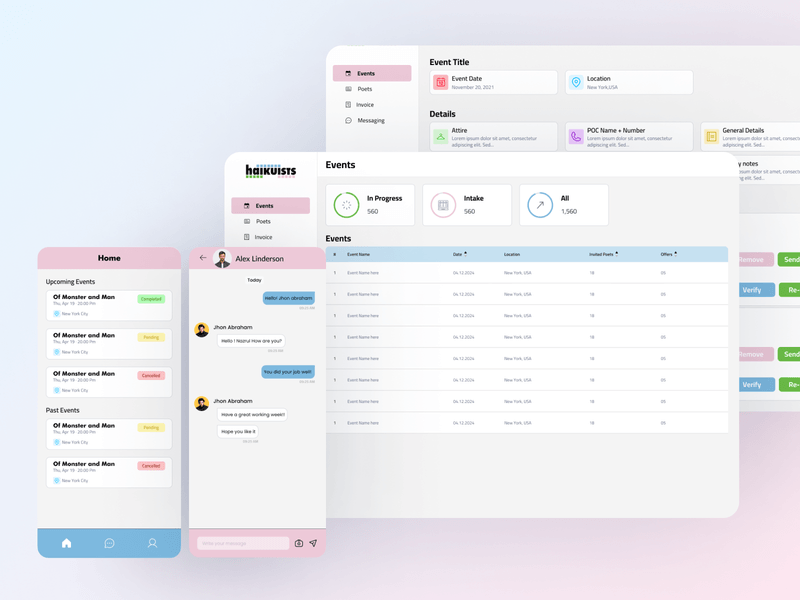
A Flutter app built from one codebase for iOS and Android, and the web when your product needs it, taken from architecture through App Store, Google Play and web release: one team, one codebase and one launch date instead of separate platform projects. Haikuists got a mobile app for its poets and a desktop web app for its admins, both in Flutter on one Firebase back end, and the first version of both shipped in eight weeks.
Firebase back ends, APIs and integrations built to the same standard as the app: sign-in, data, payments, messaging and automation, designed around the data your app should and shouldn't hold. Grove links members' cards through Plaid, moves round-ups through Stripe and verifies phone numbers with Twilio, and it never touches members' bank accounts or card numbers.
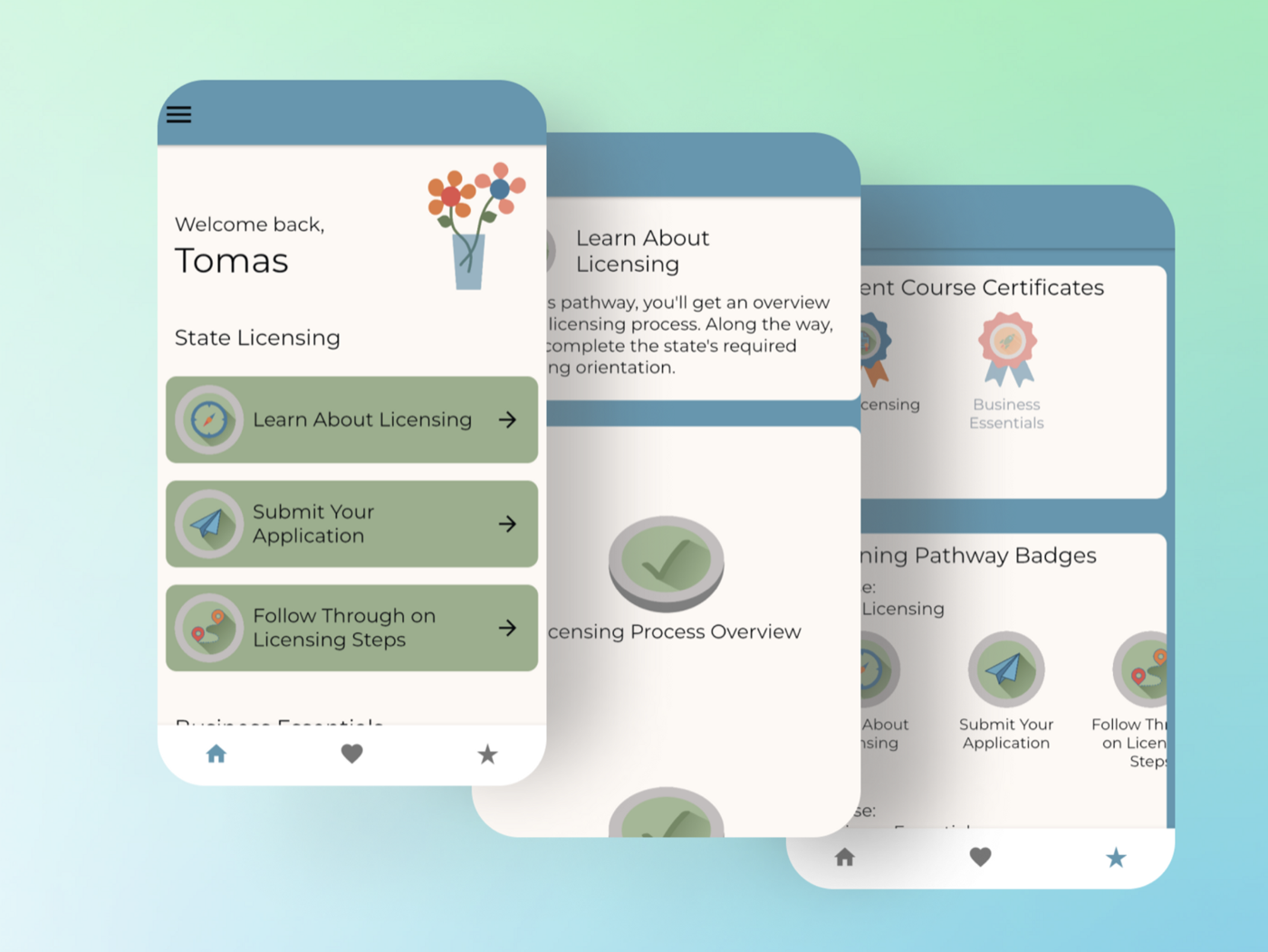
Design in Figma tuned to each platform's conventions, from Apple's Human Interface Guidelines to Material Design on Android, and to mouse and keyboard on the web. You review wireframes and hi-fi designs before each screen is built, and user testing after launch shows what to improve next.
[FAQs]
Every project starts with a two-week strategy sprint for a flat $4,000, refunded in full if we don't move forward together. It produces a features table, wireframes and the scope of your first release, and we quote the build from that scope. Flutter keeps the build to one codebase instead of separate iOS and Android apps, and our AI-accelerated process compresses the rest, so a typical build costs a fraction of what a traditional agency charges.
About 6 weeks for most builds after the two-week sprint, against the roughly 6 months a traditionally staffed build takes. Grove went from idea to both app stores in six weeks, OOM launched on both stores after three weeks of development and seven weeks in all, and Nurture's first version shipped 36 features in four weeks of development. App Store and Google Play review add their own time at the end, and we plan for it.
One codebase means one team, one architecture and one set of bugs, and every feature ships to iOS and Android at once. Release builds compile to native machine code, not a web view. Flutter isn't always the right call, though: it draws its own widgets rather than using each platform's, so if your product must match Apple's and Google's system controls exactly, separate native apps may serve you better. If your team already writes React and TypeScript, look at React Native instead.
The web app, yes; the marketing website, usually not. Flutter's own documentation says it suits app-like experiences such as single-page and progressive web apps, not text-heavy static sites like blogs, and that its web output doesn't align with what search engines need to index. So we build your web app in Flutter alongside iOS and Android, as we did for Haikuists' admin dashboard, and keep pages that need to rank in search on plain HTML. Behind both, we build the back end, APIs and integrations to the same standard as the app.
[01] Product Strategy
We start by helping you define your long and short-term product visions. We then break down the concepts into concrete features and functions, so we can piece them back together into a prioritized roadmap.
[02] Development
With the framework pinned down, we go heads-down on execution. We leverage AI-powered tooling and a modern Flutter + Firebase stack to develop your product in record time.
[03] Polishing + Launch QA
We put your product through rigorous QA to ensure every feature works seamlessly, every detail is pixel-perfect, and your copy is publication-ready. Then we manage the full launch process — mobile, web, or both.
[Explore Mobile App Development]