DreamLabs
DreamLabs
DreamLabs
[Who we are]
Reach Android users on Google Play at the same time as iPhone, not months after it. DreamLabs builds Android apps for startups and growing companies as an AI-accelerated fractional product team, usually from the same codebase as your iOS app, and takes them through Google Play's testing and release steps. The first step is a $4,000 two-week strategy sprint, refunded in full if we don't move forward together; most builds take about 6 weeks after it.
★★★★★
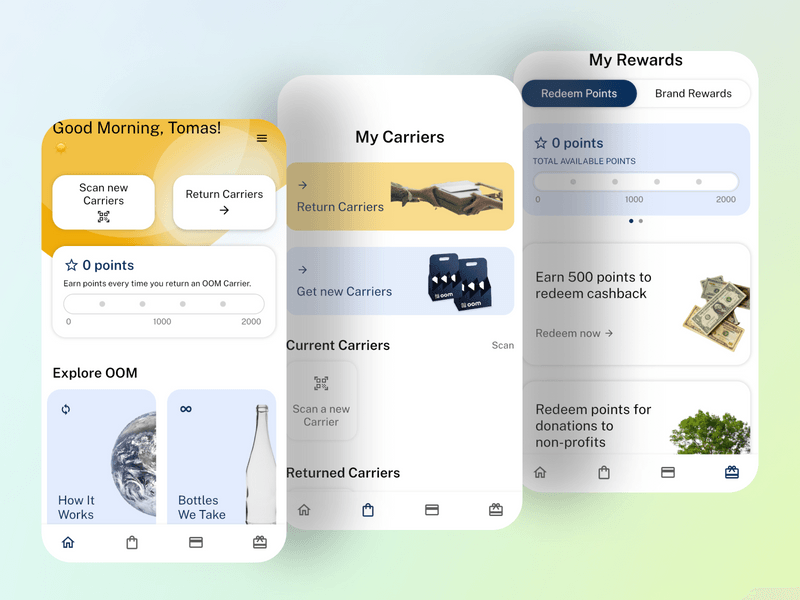
“By working with DreamLabs team, we significantly reduced our development timeline and budget while delivering simple, high quality user experience that OOM strives to achieve.”
As a fractional product team, we start by defining your vision and sharpening your strategy. We don’t just say “yes,” but always ask “why?”, helping your dev budget go further and faster.
We use AI-accelerated development to help teams of all sizes launch custom, scale-ready digital products. Most builds ship in about 6 weeks, not 6 months.
User testing is a bonus service we offer to all clients for free. This means we learn together from real users with each release.
[What We Do]
We build Android apps in Flutter, which compiles your app ahead of time into native machine code and calls Kotlin or Java through platform channels when a feature needs an Android-specific API. The same codebase builds your iPhone app, so a second platform doesn't mean a second app to pay for and maintain. AI drafts the scaffolding, repetitive code and tests; senior engineers review every change and test on real devices in different sizes.
Google Play has its own gates, and we plan the release around them from the first sprint. Every app must complete Play's Data safety form, including what its third-party SDKs collect, and apps that let people create an account must offer account deletion both in the app and through a web link. Our iOS page covers Apple's side of a two-store launch.
When we're not the right team: if your product is built around Android-specific hardware, such as kiosks, company-managed device fleets or custom peripherals, a team that builds natively in Kotlin will serve you better. And if you need one fix in an existing Kotlin app, hire a freelancer; a strategy sprint would be more process than the job needs.
[Deliverables]
Designs that follow Android conventions and adapt to different screen sizes, built in Flutter with the back end, sign-in, payments and notifications your product needs. OOM's app, for example, signs people up with a mobile phone number, scans the QR code on each carrier and pays out points as cash to a user's Venmo account. Senior engineers own the architecture and review everything AI helps write.
We release under your own Play Console account, then prepare the store listing, the Data safety form and the testing tracks, and apply for production access, which Google says usually takes seven days or less to review.
Google Play's target API requirement moves up over time. Since August 31, 2026, new apps and app updates must target Android 16 (API level 36) to be submitted, and existing apps must target Android 15 (API level 35) to stay available to new users on newer Android versions. We keep your app current and keep shipping features, or hand the code and the release process to the team you hire.
[FAQs]
Every project starts with a $4,000 two-week strategy sprint, refunded in full if we don't move forward together. It produces a features table, wireframes for your core flows and the scope of your first release, and we quote the build from that scope. With AI handling much of the repetitive work, builds typically come in at a fraction of what a traditional agency charges, and if you also want an iPhone app, the same Flutter codebase builds it, so you aren't paying for two separate apps. Google's own fee is a one-time 25 USD to register your Play Console account.
If your Play Console account is a personal account created after November 13, 2023, Google requires a closed test first, with testers opted in continuously for at least 14 days. Only then can you apply for production access, which Google says usually takes seven days or less to review.
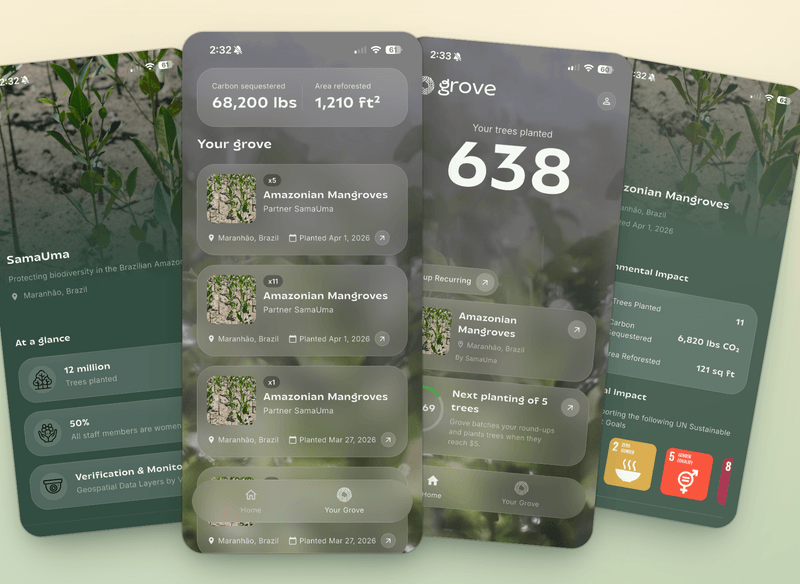
Start where your first customers are, and if you can, launch on both. With one Flutter codebase, the second platform comes from the same code instead of a separate build: OOM announced its app on both stores in April 2023, and Grove reached both six weeks after the idea. The stores move at different speeds. Apple says it typically reviews 90% of submissions in under 48 hours, while a new personal Google Play account needs its 14-day closed test before it can even apply for production, so start Android testing early if that rule applies to you.
Yes. We start by confirming you control three things: the Play Console account, the source code and the app's signing. With Play App Signing, Google manages your app's signing key, so if a previous developer kept the upload key, you can request an upload key reset in Play Console instead of losing the app. Then we check the target API level, since new apps and updates must now target Android 16 (API level 36), and fix whatever stands between you and your next release.
[01] Product Strategy
We start by helping you define your long and short-term product visions. We then break down the concepts into concrete features and functions, so we can piece them back together into a prioritized roadmap.
[02] Development
With the framework pinned down, we go heads-down on execution. We leverage AI-powered tooling and a modern Flutter or React stack to develop your product in record time.
[03] Polishing + Launch QA
We put your product through rigorous QA to ensure every feature works seamlessly, every detail is pixel-perfect, and your copy is publication-ready. Then we manage the full launch process — mobile, web, or both.
[Explore Android Development]